








Bag in bag: the detail that multiplies possibilities
One gesture, two functions
There are details that aren't immediately noticeable, but which change everything in the daily use of a bag. The bag-in-bag is one of these: an internal pouch, often removable, designed to separate the essential from the superfluous without sacrificing a single external silhouette. It's not an accessory in the decorative sense of the term, but a constructive principle—an answer to a very concrete problem: carrying more items while maintaining order, quick access, and a shape that always remains recognizable. The result is a bag that behaves like two: a spacious container for the day and, inside it, a second autonomous space that can be taken out, travel alone, and become a separate accessory when needed.
It's a detail that speaks of method even before style. And, not by chance, it's becoming a key feature in the most interesting proposals of the season, interpreted with very different approaches depending on the brand and the chosen material. Those who carefully observe the most successful models note that the internal pouch is never a technical workaround: it is designed, proportioned, and often finished with the same care as the outer container. The material changes, the palette changes, but the principle remains the same—to give the wearer greater control over what the bag contains, without having to multiply the accessories carried.
Tumbled leather and a double life
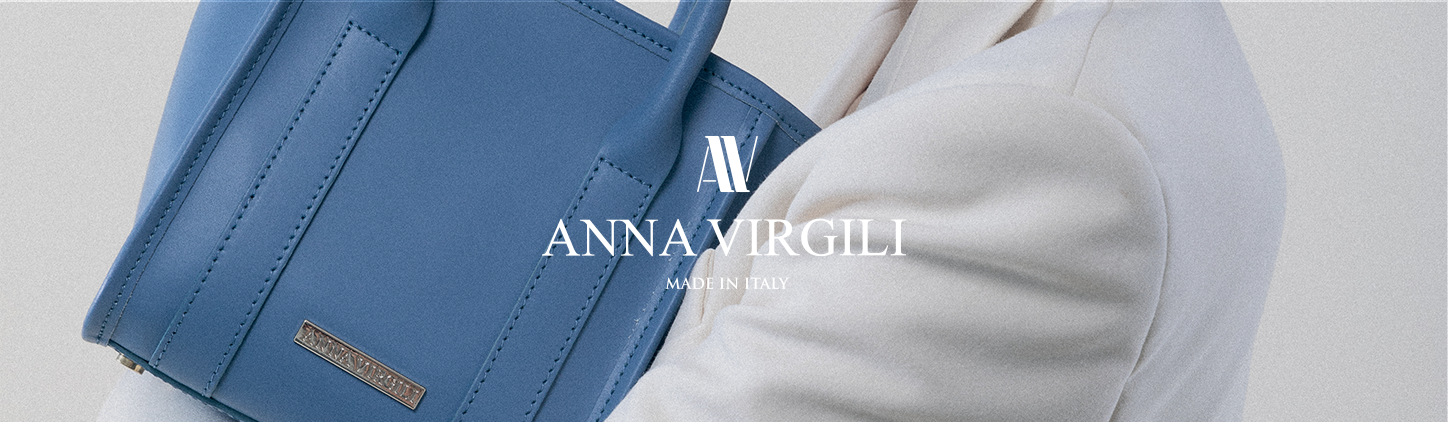
Among the most successful interpretations of this principle is Camilla, the bucket model by Anna Virgili. The line is soft, with curved sides that open upwards, a double short handle, and a thin removable shoulder strap for carrying it on the shoulder. The leather is processed using a tumbled technique, a finish that produces a pronounced and natural grain, capable of aging with character. The most recognizable color is a bright cognac that leans towards burnt terracotta—far from the simple "orange" of the trade name—also available in a more sober black version, with the same gold charm featuring AV initials on the metal details.
It is precisely inside Camilla that the bag-in-bag principle is most clearly manifested: the internal pouch can be completely removed and becomes an independent accessory, practical for organizing the day or for being carried alone in a more informal context. Its compact proportions—less than thirty centimeters in width—make it easy to handle even when full, while the tumbled finish absorbs small signs of wear instead of showing them, a quality particularly appreciated in models designed for daily and continuous use. This detail well illustrates Anna Virgili's approach to leather goods: contemporary shapes, Marche region craftsmanship, and selected materials, never a loud aesthetic. Those who wish to explore the models in the line can do so in the section dedicated to Anna Virgili.
The measure of rigor, in grained leather
Coccinelle's proposal changes register but not principle. The featured grained leather Handbag adopts an ivory, almost pearlescent, shade that the brand appropriately calls Pearl—one of the rare cases where the name truly matches the real nuance, verifiable in the images of the variants rather than the listed color. The structure is that of a clean-lined tote, with long knotted handles that end in golden rings, a detail that visually lightens an otherwise very rigorous line. The logo is discreet, almost whispered on the leather.
Here too, the internal pouch plays a central role: it separates more delicate or frequently used items from the rest of the contents, bringing order to a tote that would otherwise tend to become an indiscriminate container. The deeper proportions compared to a classic tote allow for good capacity without affecting the external line, while the golden rings at the ends of the handles add a discreet touch of light, consistent with the brand's sober identity. This is the more formal interpretation of the bag-in-bag theme, suitable for both work contexts and more refined daily use, where the clean lines must never be compromised by internal clutter. The Coccinelle proposal on the website delves into this attitude, offering everything from more minimalist shoulder bags to models with more decisive tones: the section dedicated to the brand can be found among the Coccinelle proposals.
When structure becomes graphic
Then there's a third way, more contemporary and more explicit in showcasing the principle rather than hiding it. This is Guess, with its Letty, a tote with a reticulated pattern that makes the inner pouch visible—almost transparently—within the bag. The result is an object with a strong graphic impact, available in both a black version and an equally bold white interpretation, with double handles and a reinforced base to ensure structure even for larger volumes.
Here, the bag-in-bag is not a hidden detail to be discovered by opening the bag, but becomes part of the product's aesthetic language: the perforated outer container hints at the inner one, in a play of layers that is both functional and visual. The reinforced base ensures stability even when the inner pouch is fully loaded, a technical feature that makes the model suitable for intense daily use, not just an isolated occasion. This is the most urban and less formal interpretation of the theme, perfect for those seeking an accessory capable of communicating instantly, even from a distance. Among the season's most versatile proposals, the online Guess selection includes equally bold interpretations, from leather goods to accessories with a recognizable spirit.
An accessory that keeps pace with the day
Beyond individual interpretation, the value of the bag-in-bag lies in its ability to adapt to different rhythms without changing its appearance. The same bag that in the morning holds everything necessary for the day can, in the afternoon, revert to just the inner pouch—lighter, quicker, sufficient for an aperitif or a quick errand. This is a different way of understanding practicality: not a smaller bag for informal occasions, but the same bag that reduces itself when needed.
This season's palette also supports the principle well: warm tones like cognac and terracotta lend themselves to being worn with soft knitwear and denim, while ivory and white achieve their best look with clean tailoring and neutral colors, in an effortless dialogue. Black, when it appears, acts as a bridge between the two registers, making the transition between day and evening immediate. It is no coincidence that the most interesting models of the season work precisely on this dual track—material on one side, graphic on the other—leaving the wearer the freedom to choose which voice to make louder.
Ultimately, the real value of the bag-in-bag isn't in a single constructive detail, but in the logic that underpins it: to conceive of the bag as a space to inhabit and reorganize daily, not as a static container to be filled. This perspective gives the accessory a more active role in the wardrobe, less decorative and closer to a true daily organizational tool. For a broader overview of available proposals, the women's bags section of the website remains the most natural starting point for navigating forms, brands, and materials.
FAQ
What exactly does "bag in bag" mean and why is it making a comeback?
It refers to a bag constructed with an internal pouch, often removable, designed to organize spaces and separate frequently used items from the rest of the contents. The renewed interest is linked to the growing need for truly functional accessories that can adapt to various moments of the day while maintaining a recognizable silhouette.
Can the internal pouch be used on its own, as a separate bag?
In most models, yes: the internal pouch is designed to be removed from the outer container and function independently, becoming a small hand-held or shoulder accessory for occasions when only essentials need to be carried.
Is a bag-in-bag also suitable for a work environment?
Yes, especially in more structured interpretations and neutral tones like ivory or black, where the double pouch helps maintain order among documents, devices, and personal items without compromising the clean lines of the exterior. Those looking for proposals in this direction can explore the more structured women's bags available on the website.
Which materials guarantee greater durability for this type of bag?
Full-grain leather processes, such as tumbled or grained, offer the best resistance over time and develop a natural patina with use, while versions with more rigid structures, such as perforated silhouettes, prioritize shape retention even with significant volumes.
How do you style a bag-in-bag with mid-season outfits?
Warm tones like cognac and terracotta pair well with knitwear and denim for a more informal attitude, while ivory and light shades enhance tailoring and clean-lined garments. Black remains the most versatile choice, capable of accompanying both daytime and evening looks.
WOMEN'S BAGS
Handbags, shoulder bags, crossbody bags, and tote bags: a selection designed to accompany every rhythm of the day, featuring fine materials and always contemporary design.


